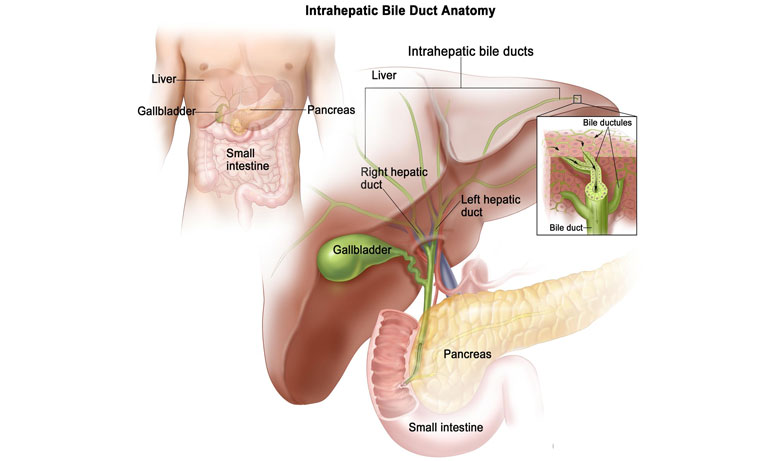
PTBT Biliary Stenting
What is biliary stenting?
Sometimes the biliary drainage procedure may be extended with the placement of a permanent plastic or metal stent across the site of the bile duct blockage. Stents are usually inserted a few days after the initial drainage procedure and they keep the narrowed duct open without the need for a catheter.
Stenting may be preceded or followed by biliary dilatation, which involves dilating a segment of bile duct with a balloon to open up the stricture.
What are the indications for percutaneous biliary drainage stenting?
The most common indication for biliary drainage is blockage or narrowing (stricture) of the bile ducts. There are several conditions that may cause this including:
• Gallstones – in the gallbladder or within the bile ducts
• Inflammation of the pancreas (pancreatitis)
• Inflammation of the bile ducts (sclerosing cholangitis)
• Tumours of the pancreas, gallbladder, bile duct, liver
• Enlarged lymph nodes in the region of the pancreas and liver due to various types of tumours
• Injury to bile ducts during surgery
• Infection
Biliary drainage relieves obstruction by providing an alternative pathway to exit the liver.
Biliary drainage may also be necessary if a hole develops in the bile duct, resulting in leakage of bile into the abdominal cavity. This leak may cause severe pain and infection. Biliary drainage stops the leak and helps the hole in the bile duct to heal.
Biliary drainage may be necessary in preparation for surgery or other procedure on the bile ducts, such as removal of a bile duct stone or tumour.
Get appointment for any problem
Copyright© 2019. JVIR All right reserved.
