What is Vascular and Interventional Radiology
Interventional radiology is a medical sub-specialty of radiology utilizing range of techniques relying on the use of radiological image guidance such as X-ray fluoroscopy, ultrasound, computed tomography [CT] or magnetic resonance imaging [MRI]) to diagnose and treat diseases in nearly every organ of the body. Interventional Radiology also known as minimally invasive surgery or pinhole surgery as most of the procedures start with passing a needle through the skin to the target organs inside the body under the constant image guidance and hence, is an alternative to open and/or laparoscopic surgery.
Who Are Interventional Radiologists?
Interventional radiologists are medical doctors who obtained their degree in Radio-diagnosis and then are further trained & specialized in performing medical procedures that involves diagnostic radiology followed by ability to use image guidance for targeted organ therapy.
What Are The Advantages Of Interventional Radiology?
- Minimally invasive techniques
- Mostly OPD basis or Day care admission procedures
- Shorter hospital stay
- Greater comfort
- Reduced risk
- Lower cost
- General anesthesia usually not required, mostly under local anesthesia or nerve blocks
- Quicker Convalescence and quicker return to work
- Diagnostic , palliative and therapeutic spectrum
- No scar
Common Interventional Procedures
- Varicose vein treatment : it makes enlarged veins in the legs collapsed that can cause cosmetic and medical complications
- FNAC or Biopsy: test for lump in any body part, breast, lung and other cancers – it is an minimally invasive alternative to open invasive surgical biopsy.
- Angiography: An X-ray study for the veins and arteries and veins to diagnose blockages and other blood vessel problems such as bleeder or aneurysm.
- Embolization: to block the blood flow to a problematic area such as aneurysm, bleeding site, vascular tumor, arterio-venous malformations, uterine fibroid using the delivery of clotting agents (coils, Glue, PVA particles, gelfoam,Onyx etc.)
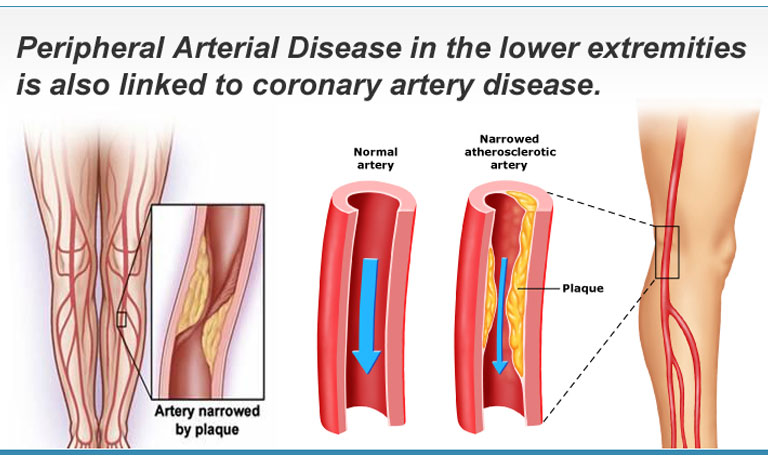
- Angioplasty: technique to opens up the blocked or narrowed blood vessels with the help of very small balloon or stent. Very effective to treat clogged arteries in the legs or arms (called peripheral vascular disease or PVD), kidneys, brain or elsewhere in the body.
- Thrombolysis: clot lysis drug is delivered at the site of the clot directly by catheter to dissolve the blood clot such as case of deep vein thrombosis (DVT) or portal vein thrombus.
- Percutaneous Drainages: tapping fluid or abscess in lungs, abdomen, liver or any other sites with drain placement percutaneously
- Central venous access: inserting central lines such as PICC lines, ports, dialysis catheters, permacath etc.
- Biliary drainage and stenting: in cases of obstructive jaundice and gall bladder cancer, stent (small mesh tube) is used to open up blocked ducts and allow bile to drain from the liver.
- Chemoembolization: direct delivery of anti cancer drug to the cancer tumor bed without leakage into systemic circulation, currently being used mostly for liver cancers (TACE).
- Tumor ablation: use of thermal energy from Radiofrequency (RF) ablation and microwave ablation to kill cancerous tumors, osteoid osteoma etc.
- Chronic liver disease compliactions: managed by techniques like TIPS (transjugular intrahepatic portosystemic shunt) and BRTO (Balloon occluded retrograde transvenous obliteration of gastric varices)
- AV fistula access salvage: use of thrombolysis and angioplasty to treat blocked or stenotic AV fistula to continue the hemodialysis
- Uterine artery embolization: in case of postpartum bleeding, this is an life- threatening procedure and also potentially prevents hysterectomy.
- Uterine fibroid embolization: can shrink the painful, enlarged, benign tumors in the uterus either pre-operatively or therapeutically.
- Varicocele embolization: pain and infertility can be due to engorged blood vessels in the scrotum and can be treated by embolization.
Get appointment for any problem
Copyright© 2019. JVIR All right reserved.
